

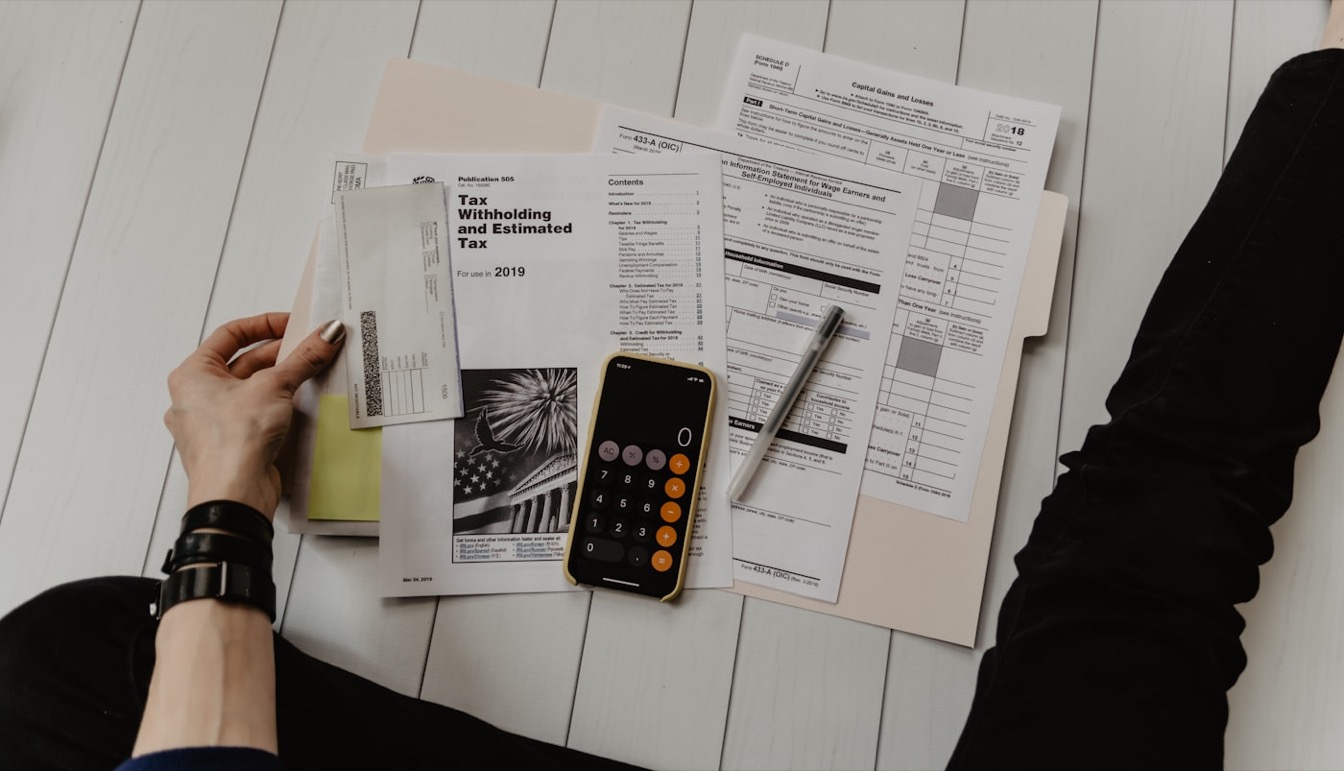
No public checklist can predict whether the CRA will review a return. The practical defence is simpler: report all income, claim only supportable expenses, and retain records that explain every material amount.
Reconcile all income sources
Compare your records with invoices, platform statements, tax slips, cash receipts, and bank deposits. Record gross business revenue where required and claim eligible platform or processing fees separately.
Canada’s digital-platform reporting rules have applied since the 2024 calendar year. Platform information is only one input, and your reporting obligation does not depend on receiving a slip or statement.
Support every expense
A bank or credit-card statement proves that money changed hands, but it may not establish what was purchased or why it relates to the business. Retain invoices and receipts showing the vendor, date, description, tax, and amount.
Round numbers are not automatically wrong, and a high expense ratio is not automatically abusive. The issue is whether the amount was incurred to earn business income, is reasonable, is treated correctly, and is supported by records.
Document mixed-use expenses
Home-office, phone, internet, and vehicle costs often have both business and personal use. Keep the calculation used to allocate each cost.
For vehicle expenses, retain the trip date, destination, purpose, distance, and the vehicle’s total annual kilometres. For a shared workspace, retain measurements and any time-use calculation. There is no universal safe percentage for either claim.
Record meals and entertainment
Keep the receipt and note the business purpose and people involved. The general deduction is often limited to 50%, but exceptions and special rules can apply.
Keep capital property separate
Computers, cameras, furniture, vehicles, and other property with a lasting benefit may need to be capitalized and claimed through capital cost allowance. Do not expense an item solely because it was inexpensive or bought near year-end.
Respond to a CRA request
Read the requested tax year, lines, documents, and response date carefully. Provide the requested records and a concise reconciliation. Ask for clarification if the request is unclear, and obtain professional help when the amount or classification is material.
Tax records generally must be retained for at least six years from the end of the last tax year to which they relate. Longer periods can apply in some situations. See the CRA record-retention guidance.
Accountly can categorize recorded expenses and store receipt images. Review every category and amount before filing; the app does not predict or score audit risk.
Frequently asked questions
Does a large home-office claim automatically trigger an audit?
The CRA does not publish a percentage that guarantees or prevents review. Use a reasonable allocation based on space and, where relevant, time, then retain the calculation and supporting bills.
Can I claim vehicle expenses without a mileage log?
Vehicle deductions require support for business use. A contemporaneous log is strongest. If records are incomplete, gather available calendars, invoices, and location history and get advice rather than inventing distances.
Does the CRA review every platform-income mismatch automatically?
The CRA does not publish a rule saying every difference produces a review. Reconcile legitimate differences such as fees, refunds, taxes, and timing, and keep the explanation with your records.
How far back can the CRA reassess a return?
Normal reassessment periods depend on the taxpayer and return. A return can remain open beyond the normal period when there is a misrepresentation attributable to neglect, carelessness, wilful default, or fraud. This is not a simple six-year rule for freelancers.
Can self-employed people use the temporary $2-per-day home-office method?
No. That temporary method applied to eligible employees for 2020 to 2022. Self-employed people use the business-use-of-home rules and actual eligible expenses.
The information in this guide is for general informational purposes only and is not intended as accounting, tax, business, or legal advice. Accountly does not provide professional services or act as your accountant, tax advisor, or lawyer. No client relationship is created by your use of this material. Always seek advice from qualified professionals who understand your particular circumstances before acting on any information contained herein.