


New to Canada and Self-Employed? Your First Tax Return, Explained
A first-timer's guide to filing self-employed taxes as a newcomer to Canada: the T2125, GST/HST, your SIN, CPP, what to set aside, and the deadlines that matter.
Track session income, deduct your gym chargebacks and recertifications, log your business kilometres, and keep a T2125 that's ready, whether you train on a gym floor, in a park, or online.

When you pay the gym for floor access instead of collecting a paycheque, nobody withholds your tax, and the chargebacks, certs, and gear are all on you to track. Most trainers under-claim simply because they never logged it. Accountly keeps it organized between sessions.
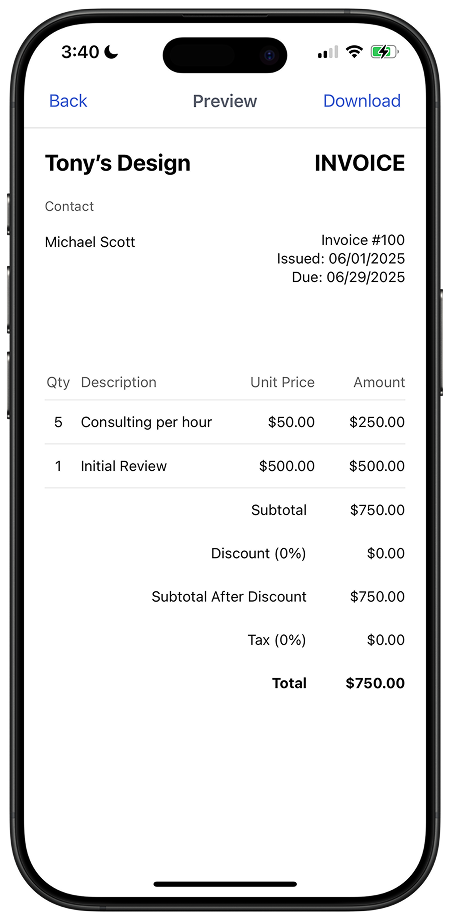
Log income from sessions, packages, and online coaching, then record gym rent and chargebacks. Review the totals against your source records before filing.
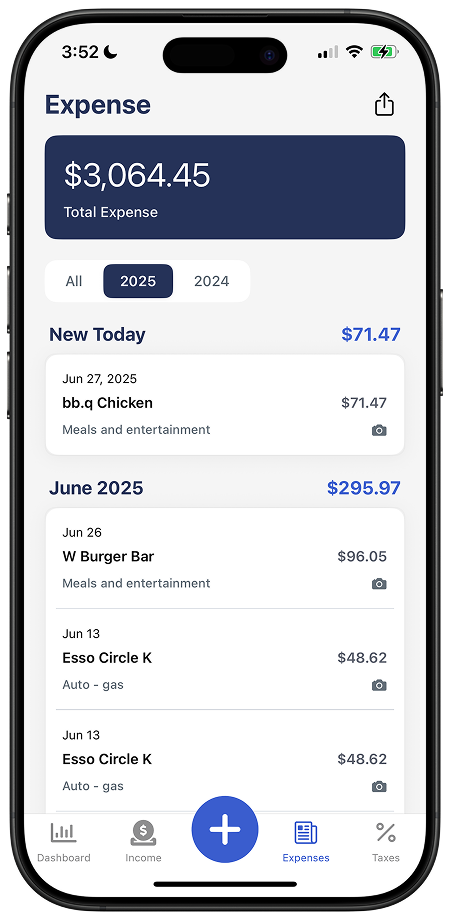
Certifications, gear, insurance, branded apparel. Photograph the receipt, review the extracted details, and keep the document with the expense record.
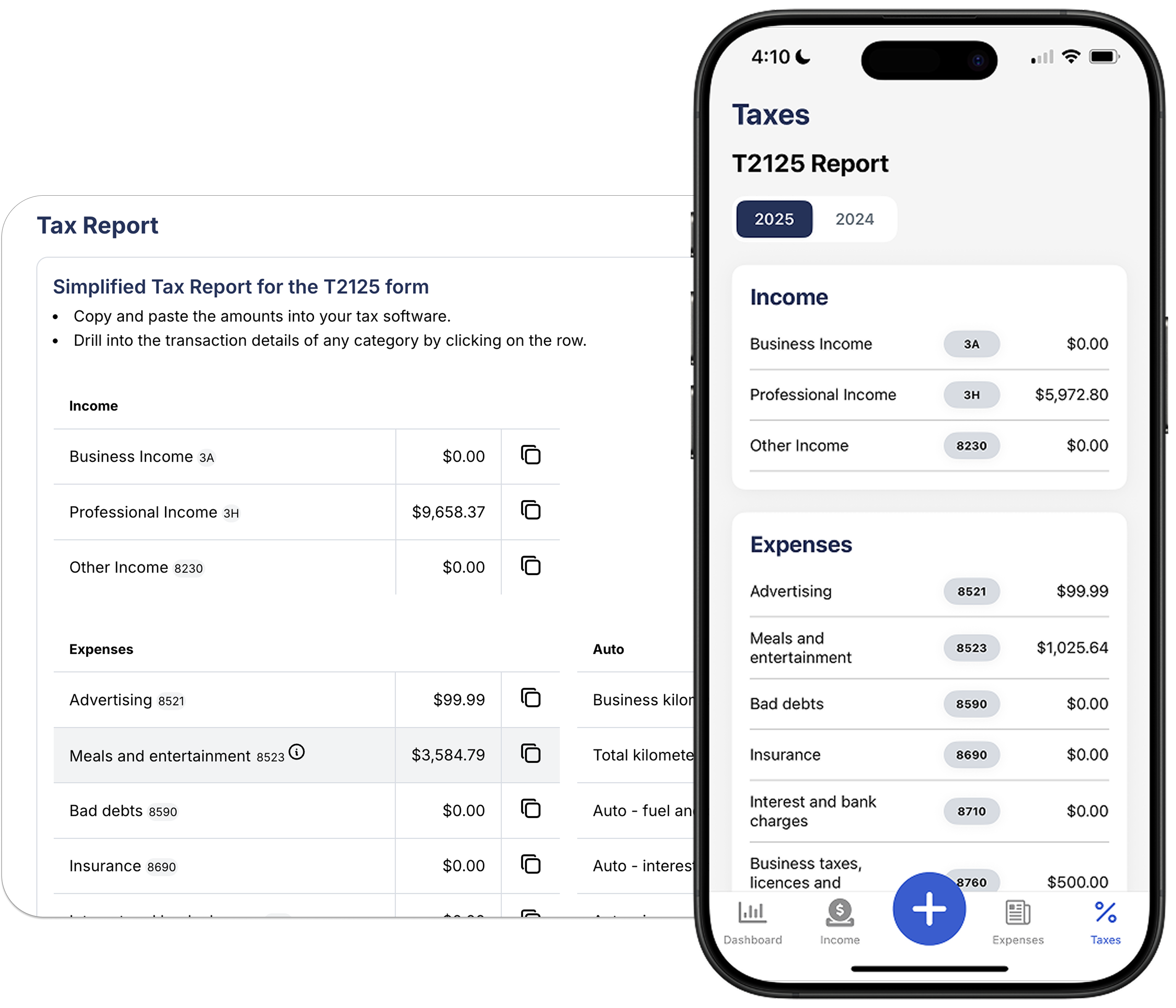
Your T2125 category totals update as you record income and expenses. Review the breakdown yourself or share the supporting records with your accountant.
Built into Accountly's categories from day one.
The rent or commission split you pay to train at a gym is usually your single biggest deduction.
Recertifications, CPR and First Aid renewals, and courses that upgrade your existing skills are deductible professional development.
The coverage you need to train clients is a deductible business expense.
Bands, kettlebells, mats, and gear. Smaller items deduct now; bigger purchases depreciate over time.
Trainerize, TrueCoach, booking and payment tools, and the streaming you use for classes.
The business share of your vehicle costs (fuel, insurance, repairs, CCA) is deductible. Keep a log of business kilometres to back it up.
Train clients regularly in a space at home used only for your business? Claim a percentage of rent, utilities, and internet.
Clothing with your logo generally counts. Plain gym wear generally does not.
Instagram ads, your booking page, business cards, anything you spend to bring in clients.
Written for self-employed Canadians in fitness.

A first-timer's guide to filing self-employed taxes as a newcomer to Canada: the T2125, GST/HST, your SIN, CPP, what to set aside, and the deadlines that matter.

Compare FreshBooks and Accountly for Canadian pricing, client limits, invoicing, receipts, mileage, accounting, and T2125 organization.

Compare Wave Starter and Pro with Accountly for pricing, bank feeds, receipts, mileage, invoicing, and the Canadian T2125 workflow.

How self-employed consultants in Canada file the T2125: professional vs. business income, home office, the GST/HST $30K trap, and when to incorporate.
Usually yes. If you set your own rates, bring your own clients, and pay the gym rent or a chargeback rather than being on payroll, you are an independent contractor who files a T2125. The gym is your landlord, not your employer.
Yes. Gym chargebacks, floor rent, and monthly access fees are fully deductible, often a trainer’s largest expense. Accountly logs them from the gym’s statements so nothing is missed.
Usually. Recertifications, CPR/First Aid renewals, and courses that maintain or upgrade your existing skills are deductible. An initial certification that gives you a new qualification generally isn’t a business expense, though eligible tuition may qualify for the tuition tax credit.
Registration is generally mandatory when worldwide taxable revenue exceeds $30,000 in one calendar quarter or across four consecutive calendar quarters. The effective date and collection rules depend on which threshold you cross.
Yes. In-person sessions, app-based programs, and online coaching all go into one place and onto your T2125.
Yes. Invite your accountant for direct read or edit access to your income, expenses, and T2125 totals, no exports or email attachments.
Free for 30 days. No credit card required.