

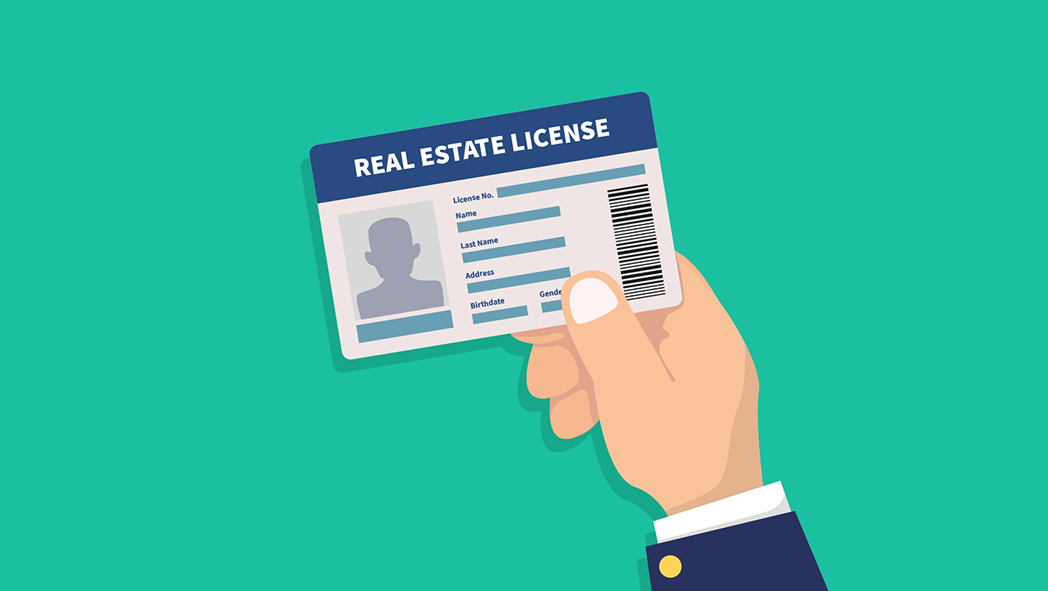
Real estate licensing is provincial. There is no single Canadian course sequence, exam score, fee, or timeline that applies everywhere. Start with the regulator in the province where you plan to work and confirm its current requirements before paying for a course.
Check your province’s requirements
Most paths include eligibility checks, approved pre-registration education, exams or assessments, an application to the regulator, and work through a registered brokerage. The details change by province.
For example, Ontario applicants follow the Real Estate Council of Ontario’s registration process. RECO currently requires applicants to complete an approved education program before applying. Do not assume Ontario’s process applies in another province.
Build a realistic startup budget
Ask the regulator, education provider, brokerage, and local board for current fees. Your budget may include:
- Education and exams
- Registration and background checks
- Required insurance
- Brokerage, board, and association fees
- Marketing, software, phone, and transportation
Some costs paid before the business begins may be treated differently from ongoing business expenses. Keep every invoice and ask a tax professional how the timing applies to you.
Compare brokerages carefully
Request a written fee schedule and commission split. Ask what training, supervision, technology, leads, marketing support, and office access are included. Confirm how and when you will be paid, which costs continue during a slow month, and what happens if you leave.
Prepare for uneven income
Commission income can vary sharply from month to month. Build a cash reserve before relying on it as your only income. Once you begin earning, record gross commissions, brokerage charges, and business expenses separately. Set aside money for income tax and CPP based on your own projected net income rather than treating a generic percentage as a guarantee.
Our real estate agent tax guide explains the bookkeeping and tax records to keep after you start working. Accountly can store receipts, track income and expenses, and organize T2125 totals, but it does not replace licensing or tax advice. Start the 30-day trial when you are ready to set up your records.
The information in this guide is for general informational purposes only and is not intended as accounting, tax, business, or legal advice. Accountly does not provide professional services or act as your accountant, tax advisor, or lawyer. No client relationship is created by your use of this material. Always seek advice from qualified professionals who understand your particular circumstances before acting on any information contained herein.